In a world where environmental concerns are growing every day, even small changes can make a massive difference. One such powerful change is the shift toward biodegradable packaging. Businesses across industries — from food to fashion — are realizing that sustainable packaging isn’t just good for the planet, it’s good for business too. Choosing biodegradable materials is a simple yet impactful step toward reducing pollution, cutting waste, and showing customers that your brand genuinely cares about the environment.
What Exactly Is Biodegradable Packaging?
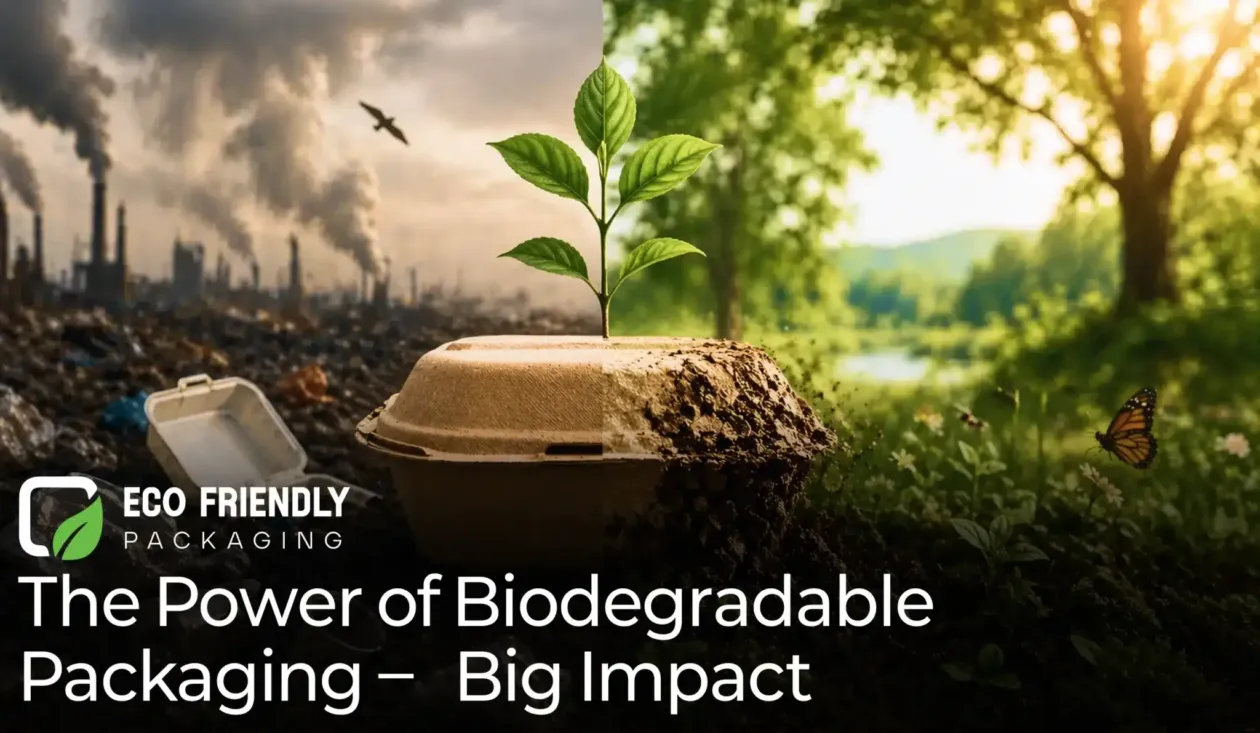
Biodegradable packaging is made from natural materials such as cornstarch, sugarcane, paper, bamboo, or PLA (a plant-based plastic). These materials can decompose naturally and safely when exposed to the right environmental conditions — unlike traditional plastic, which can take hundreds of years to break down.
By choosing biodegradable packaging, businesses help reduce their carbon footprint and keep harmful plastics out of our oceans and landfills.
Why Biodegradable Packaging Matters
Protects the Planet
Conventional plastic packaging is one of the largest sources of global pollution. Switching to biodegradable alternatives ensures that waste returns harmlessly to the earth instead of lingering for centuries. This helps maintain healthier ecosystems and cleaner oceans.
Builds a Positive Brand Image
Today’s consumers are eco-conscious and prefer to buy from sustainable brands. When customers see that your business uses biodegradable packaging, they associate your brand with responsibility, care, and trust — qualities that create long-term loyalty.
Supports a Circular Economy
Unlike single-use plastics, biodegradable materials fit perfectly into a circular economy. They can decompose, enrich the soil, and even help produce renewable energy through composting — closing the loop between production and nature.
Reduces Long-Term Costs
While biodegradable options might cost slightly more upfront, they can reduce waste management expenses and attract more customers who are willing to pay a premium for eco-friendly products. In the long run, this can boost profits while minimizing environmental harm.
How Businesses Can Take the First Step
- Start Small: Replace plastic wraps, bags, and containers with biodegradable alternatives.
- Highlight Your Efforts: Let your customers know about your eco-friendly packaging on your labels, website, or social media.
- Choose Certified Suppliers: Work with vendors who provide verified biodegradable or compostable packaging.
Even one eco-friendly switch can create a ripple effect — inspiring other brands and customers to follow suit.Conclusion: Small Change, Big Impact
Embracing biodegradable packaging is more than a trend — it’s a movement toward a sustainable future. Every box, bag, or container that decomposes naturally is one less piece of waste harming our planet. For businesses, this simple change sends a powerful message: you care about your customers and the world they live in.
Because sometimes, the smallest choices make the biggest difference.
Sustainable packaging fits almost every business type — from small boutiques to global e-commerce brands.
- Retail: Paper or reusable bags.
- Food & Beverage: Compostable boxes and cutlery.
- E-commerce: Recycled boxes and biodegradable fillers.
Every small change creates a big impact when multiplied across customers.
Read More
top-5-companies-working-in-sustainable-packaging